




Bringing my cat to Panama with me from the States back in 2007 was pretty simple…
Bringing him and the Doberman I adopted in Panama to France in 2018 was a bit more complicated, though.
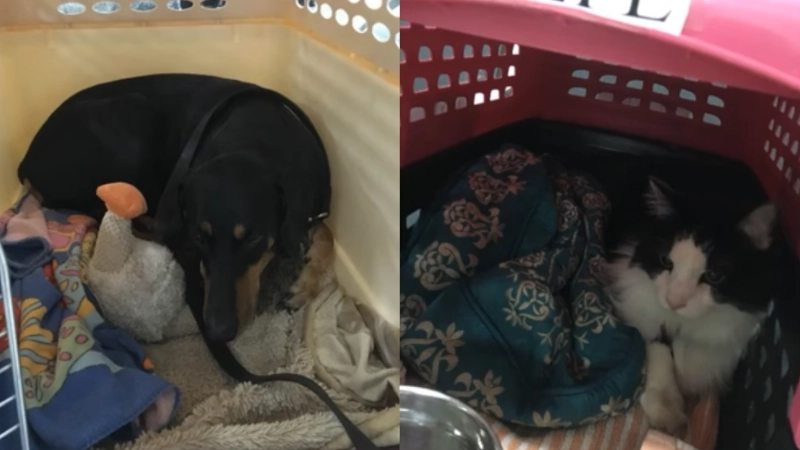
Having a furry family member on your journey with you overseas, whether to France or anywhere else in the world, is of the utmost importance to us pet parents, and figuring out how to do it the best, most comfortable, and most affordable way is a top concern when thinking about moving overseas.
Plus, having a dog with you as you settle in and explore your new home can be a huge benefit. Most people like dogs—your new neighbors, the waiters at your local café, the shop keeps around your neighborhood will recognize you and your dog, making you feel like a part of the community that might take longer without a dog.
People will stop you on the street and ask if they can pet your pup, you’ll meet other dog owners, maybe find a group that gets together to walk or play with dogs in a park…
Dogs are one of the little hacks I’ve come to find over the years that can make your new life so much easier to plug into and enjoy.
Don’t let the hassle and the administration of getting your four-legged family to your new home intimidate you—it’s complicated but easily accomplished.
Take a look at this week’s video to learn about how to bring your pets with you to France (but know that these steps are the same anywhere in the world you might want to import your animal).
Got a question? Want to see us cover a particular topic? Write to me here.

Kat Kalashian,
Editor LIOS Confidential
Video Transcript
Intro
Hi, I’m Kat, and I’ve moved a couple of pets around the world, including here to France, where I live in Paris. In this guide, I’ll walk you through the process of bringing pets to France based on my own experience.
My dog Bella and my cat Pepe both made the move with me. Pepe was born in the United States and first moved with us to Panama. Later, when we moved from Panama to France, Bella joined him on that journey as well. Because Bella was too large to travel in the cabin, both pets traveled in cargo together.
Once we arrived in Paris, both pets had to adjust to a completely new environment. Bella, who had been adopted in Panama, had never experienced cold weather before arriving in France in December. Pepe, meanwhile, immediately found creative ways to explore the new apartment. The adjustment period was different for each of them, which is an important reminder that pets also go through culture shock when moving abroad.
My Experience Moving Pets Abroad
Moving pets internationally can be done successfully, but it requires planning, patience, and close attention to detail. In my case, I handled the relocation process myself rather than hiring a specialized service.
One of the biggest lessons I learned is that every move is different depending on the country of origin, the size of the animal, the airline, and the destination country’s import rules. What worked for one pet or one route may not be exactly the same for another.
It is also important to remember that pets will need time to adapt after arrival. A new climate, new home, unfamiliar smells, and a different daily routine can all affect how quickly they settle in.
Should You Do It Yourself or Hire a Professional Pet Relocation Service?
When moving pets to France, you generally have two options: manage the process yourself or hire a professional pet relocation service.
A relocation service is usually the easiest and least stressful option. It can also be the only realistic choice if you are trying to move more than one pet per person, since many airlines limit passengers to one animal each. These services are convenient, but they are also expensive and can cost several thousand dollars, especially for a medium-sized or large dog.
If you choose a full-service relocation company, they typically handle the paperwork, logistics, and transportation arrangements for you. For people with more budget than time, that may be the best option.
If you decide to do it yourself, expect to spend more time researching airline rules, gathering paperwork, and coordinating deadlines. However, it can save a significant amount of money.
Airline Requirements: What You Need to Know Before Booking Your Flight
The first place to start is with airline requirements. If you normally fly a specific airline, do not assume it is automatically the best option for traveling with pets. Review each airline’s pet policy carefully, including crate requirements, weight limits, breed restrictions, and whether pets can fly in the cabin or must travel in cargo.
Air France provided a good experience in my case, and it is a commonly used option for flying pets into France. For people with larger dogs that they want to keep in the cabin, La Compagnie may be worth looking into, since it sometimes allows larger pets in the cabin than many other airlines.
Airlines are also very strict about crate dimensions. The carrier you use for vet visits may not meet airline requirements, so you may need to purchase a different crate. This is especially important for in-cabin pets, where measurements are often very specific based on your pet’s height and weight.
Most airlines only allow one pet per person, although some permit two. Even if the airline allows it, think carefully about the logistics of traveling with multiple animals, your luggage, and your own mobility through the airport.
Seasonal weather restrictions are another important consideration. If temperatures are too high or too low at either the departure or arrival airport, the airline may refuse to transport your pet for safety reasons. It is also better to arrive during normal business hours whenever possible, since late-night arrivals can make customs and airport logistics more difficult.
France’s Restrictions and Requirements
France has specific restrictions on certain dog breeds. Some breeds are banned entirely and cannot be imported under any circumstances. Others are considered restricted breeds and can be brought into France only if the owner completes additional requirements after arrival.
For restricted breeds, owners may need to apply for a license at the local town hall, complete a training course, obtain liability insurance, and have the dog evaluated by a French veterinarian. In some cases, the dog must also be sterilized and kept on a leash and muzzled in public.
There may also be rules related to a dog’s physical appearance. For example, certain cosmetic procedures that are legal in other countries may create complications when importing a dog into France.
If you are moving from a country considered high-risk for rabies, often referred to as an unlisted country, you may also need a rabies titer test. This test confirms that the rabies vaccination was effective. In my case, moving from Panama required this extra step, and because I did not know about it in advance, I had to delay my move by several months.
If you are moving from the United Kingdom, pet travel rules may continue to evolve post-Brexit, so it is important to verify current requirements before traveling.
The Paperwork You Need to Have Ready
Paperwork is one of the most important parts of bringing pets to France. You will need an international health certificate completed by a USDA-accredited veterinarian if you are coming from the United States, or a CFIA-certified veterinarian if you are coming from Canada.
This certificate must typically be completed within 30 days of departure. You may also need a translated version in addition to the English version. The documents then need to be endorsed by the appropriate government office within a narrow travel window, often within 10 days of departure.
Depending on where you live, mailing times can also be a factor. If there is no nearby USDA or CFIA office, you may need to pay for expedited shipping to avoid delays. In some cases, documents may also need additional authentication or apostille processing before travel.
Because requirements can vary depending on your country of origin, it is essential to verify the latest document sequence and timing before your departure date.
Preparing Your Pet for the Flight: Tips & Tricks
One of the best ways to prepare your pet for an international flight is to get them comfortable with their travel crate well in advance. This is especially important if your pet will be traveling in cargo.
In my case, I introduced Bella to her crate months before the move. At first, she slept in the base of the crate with her bed inside. Later, once she felt safe in that space, I added the top portion so she could get used to being enclosed. By the time we traveled, it already felt like her space.
It also helps to place familiar-smelling items in the crate, such as a towel or clothing that smells like you. Favorite toys, treats, and enough food for the trip can also make the journey less stressful.
Clearly label the crate with your contact details and destination address. It is better to over-label than under-label, especially in case one tag gets wet, torn, or misplaced during the trip.
Finally, keep all of your pet’s paperwork organized and easily accessible in one folder. When traveling internationally with pets, it is always better to have too much documentation than too little.
After You Arrive: What to Do Once You’re in France with Your Pets
After arriving in France, you may or may not be stopped by customs. In my own experience, no one wanted to inspect my paperwork in detail, even though I had spent months preparing it. Still, you should always keep your full document packet with you and be ready to present it if asked.
Unlike some countries, France does not usually require you to see an airport veterinarian upon arrival. However, one important step after entry is getting an EU pet passport. This is a very useful document that stores your pet’s identification, health records, and vaccination information in one place and makes future travel within Europe much easier.
It is also important to be patient while your pet adjusts. Pets experience transition stress too, and the effects may show up differently depending on the animal. Climate, noise, apartment living, street activity, and daily routines can all affect how quickly they settle in.
My cat clearly preferred the cooler climate in Paris and became more playful and affectionate again after the move. Bella, by contrast, struggled with the cold and the noise of city life at first and took several months to feel comfortable. Over time, however, both pets adapted well.
For some animals, calming aids or vet-approved support products may also help during the adjustment period. The key is to give them time, consistency, and patience as they settle into their new environment.